Top 20 Do’s and Don’ts for New Tesla Owners
New to a Tesla? The first weeks mix “why didn’t every car do this?” with “where is that setting?” After about eight years of Tesla ownership, these are the habits that actually matter—plus a few soft accessory pointers when you’re ready. Not every tip is a must-buy.
Quick trunk / travel kit comparison
Spare tires are rare on Teslas. Start here if you want a lean emergency kit. Prices move—use the buttons to check live Amazon pricing.
| Kit piece | Best for | About | Action |
|---|---|---|---|
| AIRMAN ResQ Pro+ Foam sealant + compressor |
Quick roadside mobility after a puncture (temporary fix) | ~$62 | Check current price |
| AUTOWN plug kit Cord plugs + tools |
Cleaner nail/screw punctures when you can plug properly | ~$20 | Check current price |
| WenStorm Gen2 NEMA 14-50 Travel charging adapter |
RV parks / dryer-style 14-50 outlets with Gen 2 Mobile Connector | ~$45 | Check current price |
Tip: foam is temporary—get a proper repair ASAP. Gen 2 Mobile Connector only for the WenStorm 14-50 (confirm Gen 2 vs Gen 3). More EDC picks on Cool Tools.
Recommended products
Click the picture or the button to check the live Amazon price.
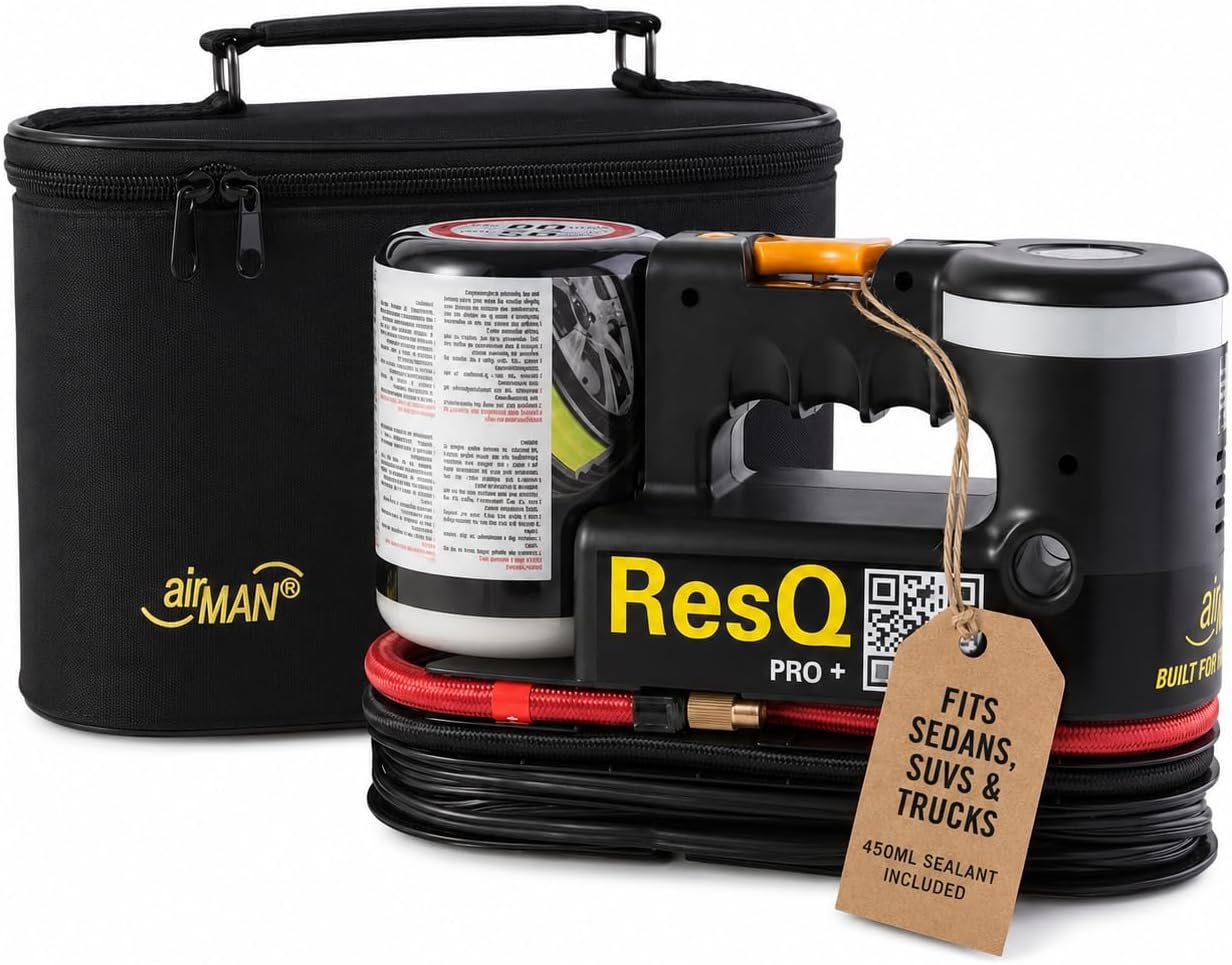
AIRMAN ResQ Pro+ — about $62
All-in-one foam sealant + 12V compressor for temporary roadside mobility when you don’t have a spare.
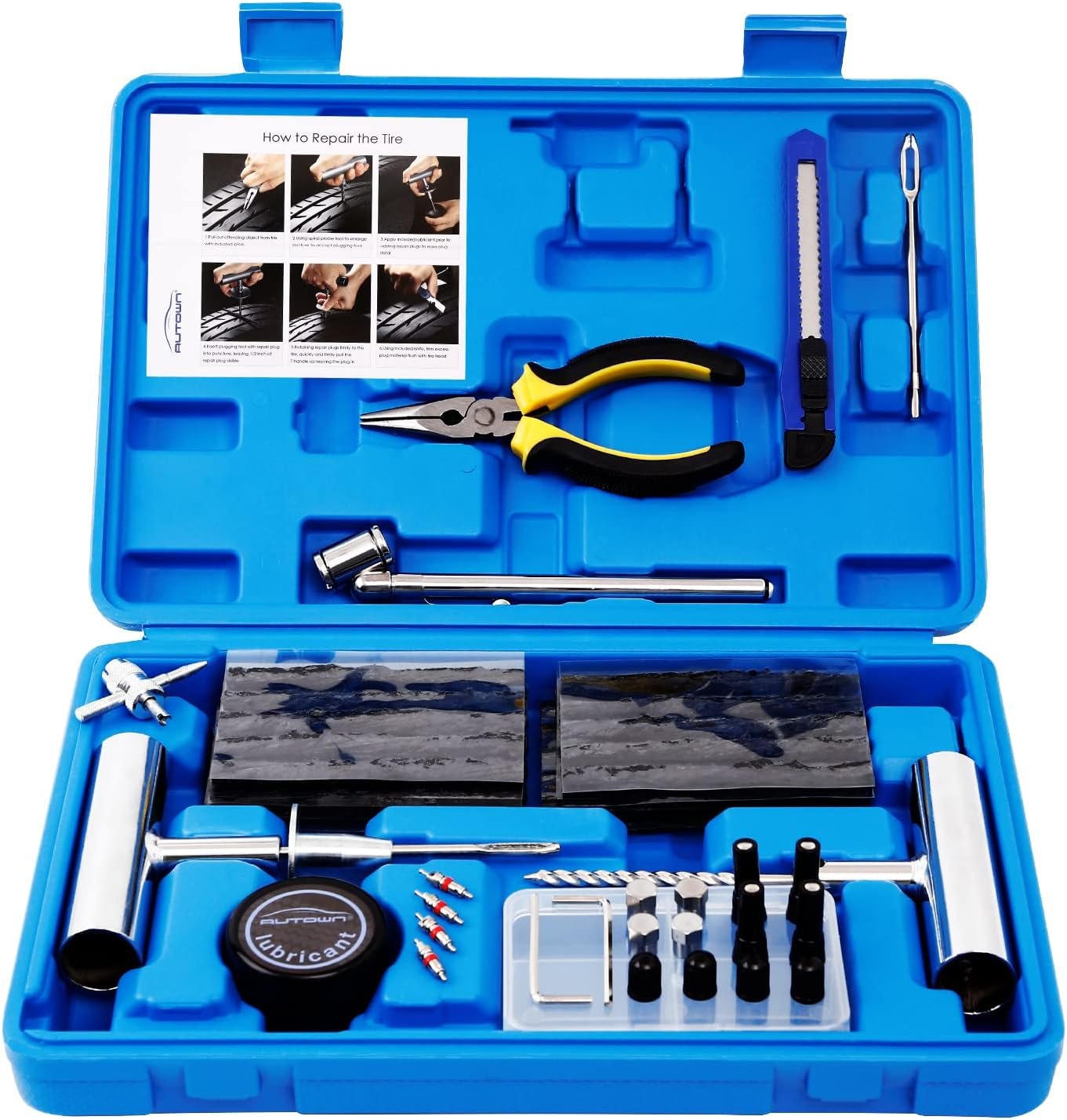
AUTOWN tire plug kit — about $20
Compact plug tools for cleaner punctures. Pairs well with a compressor; still get a shop repair when you can.
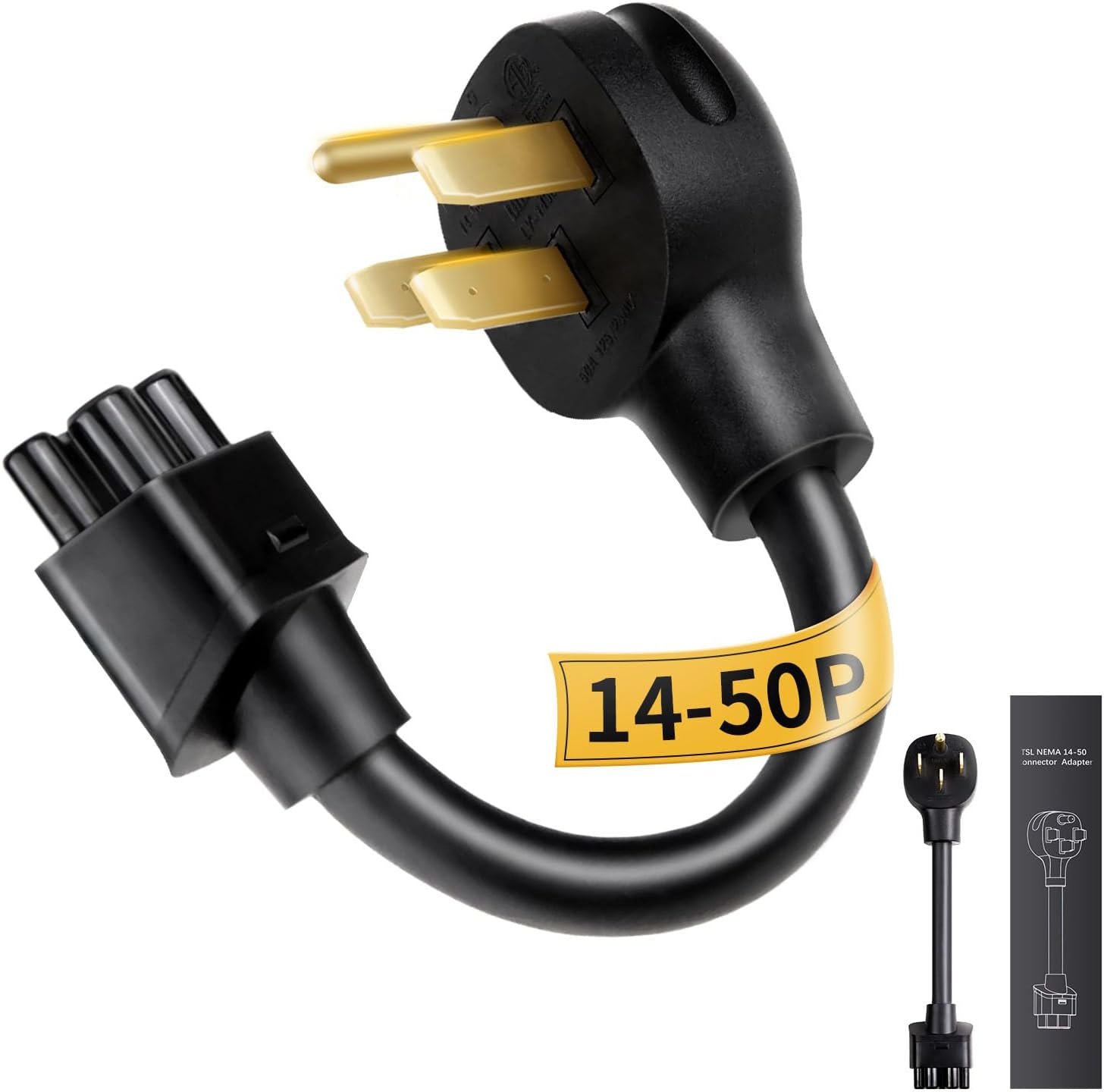
WenStorm Gen2 NEMA 14-50 — about $45
Must-have travel adapter for Gen 2 Mobile Connector on common 240V RV/dryer 14-50 outlets. Confirm Gen 2 vs Gen 3 before you buy.
Shop-only tip: Tesla’s official outlet adapters (when in stock) live in the Tesla Shop—not Amazon. Useful if you prefer OEM; we don’t affiliate-link that path here.
10 DOs
- Do stay fully engaged with Autopilot and Full Self-Driving. Treat them as driver assistance, not a chauffeur. Eyes on the road, hands ready, mind in the loop. Conditions change faster than the screen. (We’ll go deeper on FSD tips in separate posts later.)
- Do read the owner’s manual for your vehicle. Configs differ by model year, battery, Hardware, and options. Five minutes parked beats guessing at highway speed.
- Do set up your driver profile. Save seat, mirrors, steering weight, regen, and climate so the car feels like yours every unlock.
- Do charge to a sensible daily limit for your battery chemistry. Many LFP packs are fine near 100% for daily use; many NCA/NMC packs (and guidance for some trucks) prefer a lower daily target—often around 80%—and save higher charge for trips. Follow what the car and Tesla’s current guidance show for your pack.
- Do schedule charging when it helps. Align with utility time-of-use / off-peak rates and a consistent departure time when you can.
- Do use the Tesla app thoughtfully. Precondition, check charge, lock remotely. Avoid waking the car repeatedly just to stare at the battery.
- Do keep vehicle software and the Tesla mobile app updated. Skim release notes—familiar buttons move.
- Do watch tire pressure and rotate on a real schedule. Aim to rotate about every 5,000 miles (or sooner if wear is uneven). Use the door-jamb pressure spec. Range and handling both care.
- Do pack a lean trunk kit. Keep sealant/compressor (ResQ above), plugs for cleaner punctures, and the WenStorm Gen2 14-50 for travel charging. See the comparison table and Recommended products at the top—plus Cool Tools for EDC.
- Do add accessories only when they solve a real annoyance. Drive a few weeks first. When you’re ready, browse by need in Soft upgrades below (filters, mounts, protectors, organizers, charging, camping). Southern heat? Window tint is often worth it for comfort.
10 DON’Ts
- Don’t treat Autopilot/FSD as permission to check out. You’re still the driver. Always.
- Don’t force 100% every day if your chemistry and guidance prefer a lower daily limit. Save full charges for trips when that matches your pack.
- Don’t trust displayed range as a promise. Speed, weather, hills, tires, and climate all move the number. Keep a buffer.
- Don’t skip tire rotation or ignore pressure warnings. Uneven wear gets expensive fast on performance tires.
- Don’t buy every accessory on delivery day. Drive a few weeks. Your real irritations will tell you what to buy.
- Don’t assume every adapter fits. Gen 2 vs Gen 3 Mobile Connector tips, NEMA types, and region matter. Check before you order.
- Don’t ignore cabin air. A dirty filter makes the HVAC smell and work harder—swap on schedule.
- Don’t slam the frunk or trunk. Watch seals and latch paths; use reasonable force.
- Don’t leave valuables visible or unplug someone else’s car. Basic courtesy and security still apply.
- Don’t ignore repeated warnings. Odd braking, steering, or persistent alerts deserve attention—not a hopeful reboot-and-forget.
FAQ: what should a new Tesla owner buy first?
What are the first three accessories worth considering?
Start lean: a phone mount that stays put, a tire inflator or gauge, and a screen-safe cleaning cloth. Add a trunk organizer only if your normal cargo actually needs one.
What can wait until I know how I use the car?
Most cosmetic add-ons can wait. Drive for a couple of weeks, then solve repeated annoyances around visibility, phone placement, tire readiness, or cargo organization.
Should I buy a large accessory kit?
Usually not on day one. A short, fit-checked list is easier to live with than a 40-piece kit full of items you may never use.
Soft upgrades when you’re ready
Browse by need, not by FOMO (one list—confirm fitment for your model year):
Related guides: For practical add-ons, compare the phone-mount fit guide and the Cool Tools shortlist, then return to the Model 3/Y gear home page when you are ready.
Best new-owner move: learn the car at your pace, keep a little energy in reserve, and only buy what makes daily drives better.
3 Comments